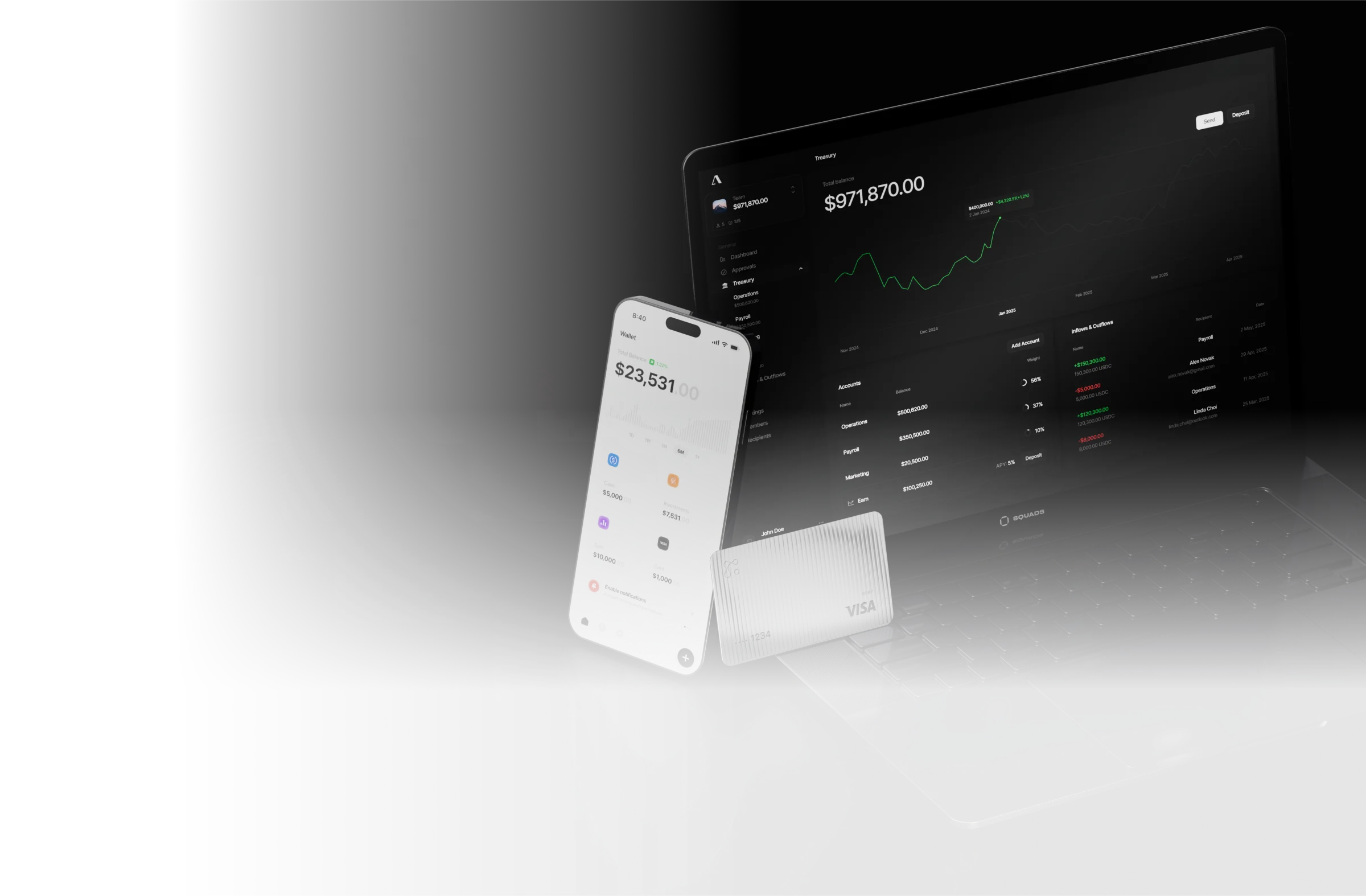
Transaction approval controls
Test recipient checks and policy controls in the transfer process.
Range's forward deployed engineers and compliance specialists test required controls against your real transaction history. In 1 to 4 weeks, your team receives a control-by-control report with evidence and a remediation plan for each gap.
Audit evidence
A policy describes the intended control. An examination needs evidence that it operated on real data. Range maps the requirements that apply to your business into tests, runs them against your transaction history and shows which controls hold and which need remediation.
Audit scope
The scope is agreed around your obligations, providers and transaction flows. Controls can include:
Test whether relevant findings receive the required decision.
Test the configured percentages, USD floors and severity rules.
Test recipient checks and policy controls in the transfer process.
Test information exchange, verification and retained evidence.
Test reconciliations between entitlements and segregated positions.
Test reserve positions against issued supply.
Docs links describe the underlying controls. The audit scope determines which tests apply to your firm.
Real-data testing
Range tests your transaction history across the agreed accounts, providers and periods. The audit connects the control result to the records behind it.
Map each test to the applicable obligation and control requirement.
Bring bank, wallet, custodian and screening-provider data into the audit.
Identify controls that hold and those that fail on real transactions.
Retain the source transactions supporting the result.
The deliverable
The audit produces a reviewable record of the tests, findings and work required to close the gaps.
See the obligation behind each test and its result.
Trace findings back to the real records tested.
See the actions needed to address a failing control.
How it works
Range compliance experts and engineers run the audit with your team.
Define the applicable requirements, controls, accounts and periods.
Bring your existing provider and transaction data into the audit.
Run the agreed tests against the full transaction history in scope.
Receive the report, inspect the evidence and agree the actions for each gap.
Existing systems
No rip and replace. Range tests your controls through the custody, screening and accounting systems you already run, against the same records your examiners will ask for.
Explore integrationsBring your existing provider through your API key.
 Chainalysis
 TRM Labs
 Elliptic
 Merkle Science
 Crystal
 Sumsub
 Persona
 AiPrise
 Fireblocks
 Anchorage Digital
 Utila
Utila Safe
SafeThe audit team
Range's forward deployed engineers and compliance specialists run the audit with your team. We connect the tools, test the controls and prepare the report. Your team provides context and reviews the findings.
The timeframe depends on your providers, networks and transaction volume.
Receive a remediation plan for each control gap. Your team reviews the findings and agrees the actions.
Keep testing new transaction activity and retest as requirements and laundering patterns change. Retain current control results and supporting records for your next examination.
Audit questions
More questions on compliance testing, see the full FAQ.
Case Studies
“I've had the privilege of collaborating with Range since their early days. Most recently, we worked together on a pioneering project aimed at simplifying and enhancing transparency around USDC cross-chain transfers. Throughout our ongoing collaboration, Range has consistently demonstrated exceptional technical and security-focused expertise.”
John Letey, Director of Engineering at Noble

Customer data is isolated and encrypted. Range does not hold your assets or private keys.
Screening activity, policies and sensitive workspace data are separated between customers.
Range maintains GDPR-aligned processing, access, retention and privacy controls.
Range is undergoing an independent external SOC 2 Type II audit.
Encryption, role-based access, least privilege and monitoring protect the platform.
Bring your obligations, providers and transaction history. Agree the audit scope with our compliance team.